

Professional Gym Equipment Assembly: The Smart Way to Set Up Your Home or Commercial Gym
Fully Licensed & Insured
Safety is our #1 Priority
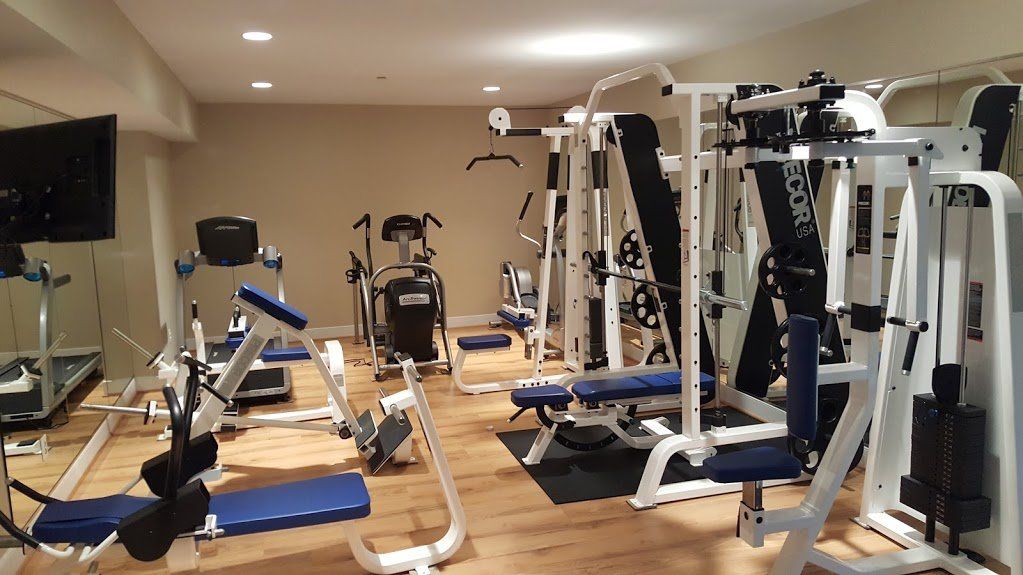
Professional Gym Equipment Installation for Safe Home and Commercial Fitness Spaces
More homeowners, property managers, and business owners are investing in home gym equipment, strength systems, and cardio machines because convenient fitness spaces make healthy routines easier to maintain. However, buying the equipment is only the beginning. Once the boxes arrive, many people face confusing instructions, heavy mechanical components, electrical connections, and calibration steps that are far more complicated than expected.
That challenge can escalate quickly. A treadmill that is not level may shift during use. A weight machine with poor cable routing can wear down early. An exercise bike with loose hardware can feel stable at first, then become unsafe over time. In other words, incorrect assembly can lead to unstable machines, injury risk, mechanical failure, and expensive damage to equipment that already costs a significant amount.
Professional help solves those problems before they start. Any Assembly specializes in fitness equipment installation for treadmills, weight machines, exercise bikes, home gym systems, and commercial gym equipment. Whether you are setting up a private workout room in Bethesda, a residential amenity space in Baltimore, or an office wellness area in Washington DC, professional installation helps protect your investment and creates a safer space for everyone who uses it.
Why does professional gym equipment installation matter for long-term safety?
Professional gym equipment installation matters because even small assembly mistakes can affect stability, movement, and user safety. Proper setup supports smooth operation, protects expensive components, and reduces the chance of injuries caused by loose hardware, misaligned frames, or poorly connected electronics during regular workouts.
A fitness machine is designed to work under repeated stress. Therefore, the structure, alignment, and resistance system all need to be correct from the start. When bolts are not tightened evenly or a machine is not level, the issue may not appear on day one. Instead, it often shows up later as vibration, wobbling, uneven resistance, or premature wear.
Professional installation also protects the workout environment itself. Heavy equipment can damage floors, walls, and door frames when moved or positioned incorrectly. As a result, expert setup saves time now and prevents repair bills later.
- Frame alignment:
Helps the machine stay balanced under repeated use
- Cable routing:
Supports smooth resistance and reduces uneven wear
- Bolt calibration:
Keeps structural connections secure during workouts
- Console setup:
Ensures powered features start and respond correctly
- Final testing: Confirms the equipment is ready for safe daily use
Which fitness equipment assembly service jobs usually need expert help?
A fitness equipment assembly service is most useful for machines with heavy frames, moving parts, electronics, or complex resistance systems. In practice, that includes treadmills, exercise bikes, ellipticals, rowing machines, benches, power racks, cable systems, and multi-station home gyms that require careful setup and placement.
Treadmills are one of the most common requests because they are large, awkward to move, and sensitive to leveling. If your project includes cardio equipment, professional treadmill assembly helps reduce setup errors and protects both the machine and the surrounding space.
Exercise bikes also need more precision than many buyers expect. Smart bikes, spin bikes, upright bikes, and recumbent models often involve console connections, stabilizer adjustments, and accurate tightening. For those projects, expert bike setup can make the machine workout-ready much faster.
Weight systems add another level of complexity. Cable crossover units, Smith machines, leg press stations, and selectorized equipment require correct sequencing and careful inspection. That is why many owners prefer weight machine assembly instead of risking a costly mistake.
Homeowners also buy equipment from well-known brands such as NordicTrack, BowFlex, ProForm, Sole, Rogue, REP, and PRx Performance. While the brand may be trusted, the setup is still technical. That is why specialty resources like weight equipment installers and stair climber assembly exist for equipment that demands more than a basic toolbox.
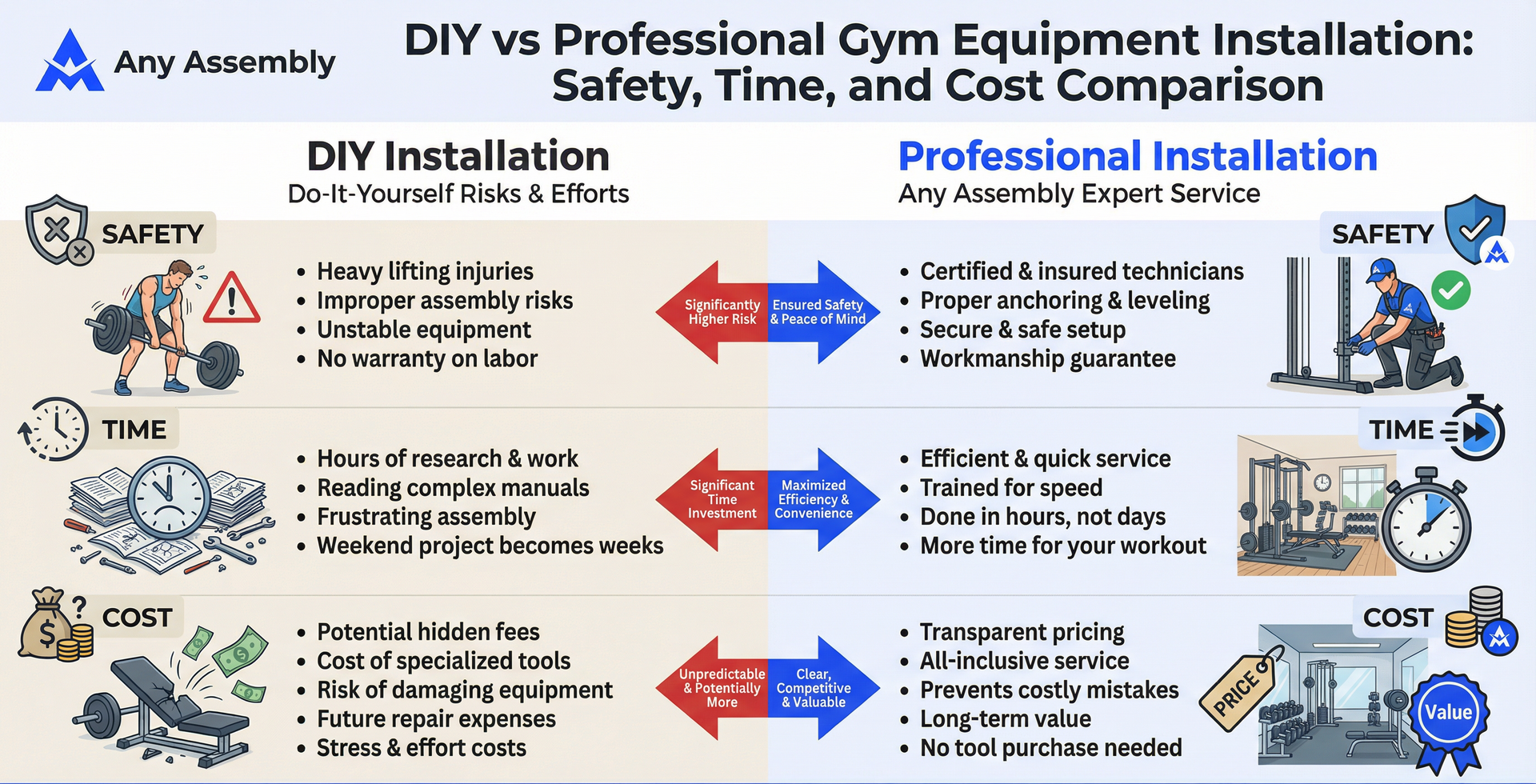
Why is DIY home gym equipment assembly harder than people expect?
DIY home gym equipment assembly is harder than it looks because manuals rarely reflect the real-world challenges of lifting heavy parts, identifying similar hardware, routing cables, and making precise adjustments in a finished room. What seems like a weekend project can quickly become a frustrating and risky job.
Many people begin with confidence, especially if they have assembled small furniture before. However, fitness equipment places more stress on every joint, bolt, and moving component. Consequently, a minor mistake can create a major safety issue once the machine is under load.
DIY setup also takes longer than most buyers expect. Large treadmills, functional trainers, and multi-station gyms often arrive in several boxes with dozens of parts. Meanwhile, homeowners still have work, family responsibilities, and limited time. Professional installers bring experience, speed, and the ability to spot problems before they become expensive.
What should homeowners know before home gym equipment assembly begins?
Home gym equipment assembly starts with space planning, not with the first wrench. Homeowners should confirm room dimensions, floor protection, electrical access, and traffic flow before installation day. Good preparation makes setup smoother and helps ensure the machine can be used safely after it is assembled.
For example, a treadmill may fit the room on paper but still feel cramped once you account for walking clearance, folding space, and ceiling height. Likewise, a power rack may need extra room for loading plates, adding a bench, or using a spotter. If you are still shaping your layout, this guide to home treadmill planning offers practical ideas for fitting cardio equipment into a functional workout area.
In many homes, the fitness room also shares space with storage or other household items. As a result, some projects overlap with broader room setup, including home furniture assembly for storage benches, shelving, or cabinets that help keep the area organized.
Before installation day, it helps to check these details:
- Floor surface: Use a mat or protective layer for weight and vibration
- Entry path: Measure hallways, doors, and stair turns in advance
- Power access: Keep outlets available for treadmills and smart machines
- Ceiling height: Allow room for users and moving equipment parts
- Open clearance: Leave enough space to get on, off, and around the machine
How does commercial fitness equipment installation differ from home setup?
Commercial fitness equipment installation usually involves stricter planning because more people use the space, the equipment is often heavier-duty, and the layout must support safety, cleaning access, and efficient traffic flow. As a result, office gyms, apartment amenity rooms, and shared wellness spaces need a more structured installation process.
Business owners and property managers in Rockville, Arlington, Alexandria, Wilmington, and Harrisburg often need equipment placed to match building rules and daily operations. A workplace gym, for instance, may need cardio equipment near outlets, strength stations spaced for circulation, and enough open room for cleaning and supervision. That is why articles about office gym planning are useful when building a healthier workplace.
Commercial projects also happen alongside other improvements. For example, an employer refreshing a wellness room may coordinate office furniture assembly for desks, storage, or partitions during the same renovation window. In residential communities, shared amenity upgrades may even overlap with broader recreation planning, such as basketball hoop installation for outdoor activity areas.
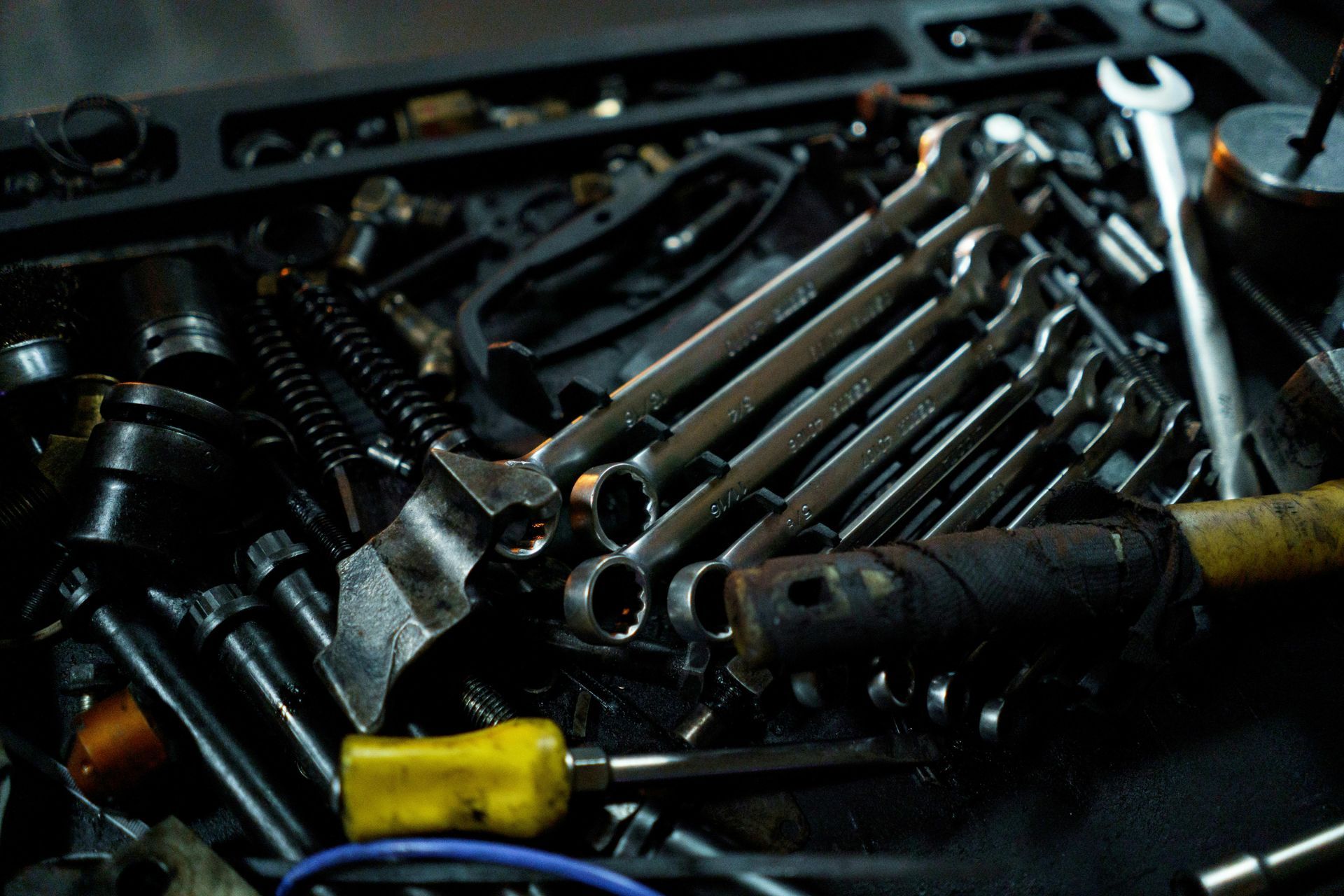
What tools and expertise support proper professional gym equipment installation?
Professional gym equipment installation depends on more than strength and patience. It requires the right tools, experience with different machine types, and a clear process for leveling, calibrating, testing, and positioning the equipment safely in the intended space.
Installers commonly use socket sets, hex keys, torque tools, stabilizing supports, leveling tools, and protective moving materials. More importantly, they know when a machine needs adjustments that are not obvious from the printed instructions. That matters because home gyms and commercial gyms often include powered consoles, folding mechanisms, cable systems, and high-load parts that need precise handling.
Professional expertise also helps with brand variation. One manufacturer may use a very different frame design or hardware sequence than another. Therefore, experience across multiple brands helps reduce delays and avoid installation shortcuts that compromise safety.
How does professional assembly save money over the long term?
Professional assembly saves money because it helps prevent rework, replacement parts, property damage, and early equipment failure. Although DIY assembly may appear less expensive upfront, mistakes often cost more once the machine needs adjustment, repair, or complete reassembly.
A treadmill that sits unevenly can wear its belt or motor components faster. A weight machine with incorrect cable tension can create uneven resistance and unnecessary strain on pulleys. Similarly, a poorly assembled bench or rack may loosen over time and require service before it should.
There are also hidden costs around moving and removal. If you need to relocate an old treadmill, haul away outdated equipment, or clear room for a new setup, careful handling matters. Helpful resources on safe gym moving and equipment hauling show how quickly heavy fitness equipment can become difficult and expensive without the right help.
What happens during a professional fitness equipment installation appointment?
A professional fitness equipment installation appointment usually includes inspection, hardware organization, assembly, placement, adjustment, and testing. In other words, the goal is not simply to build the machine, but to make sure it is stable, functional, and ready for real use before the appointment ends.
Most visits begin with checking the room, reviewing the boxes, and inspecting parts for visible shipping damage. After that, installers assemble the main frame, secure the mechanical components, connect any electronics, and place the unit where it will be used. Finally, they test movement, resistance, leveling, incline, and console response.
Some appointments also include breakdown and reassembly, especially when equipment is being moved from one home or room to another. In those cases, disassembly relocation services reflect the same careful process needed to protect large equipment during transport and reinstallation.
What signs suggest your fitness equipment was assembled incorrectly?
Incorrect fitness equipment assembly often shows up through noise, shifting, uneven movement, or poor alignment. If a machine feels unstable, sounds unusual, or does not move smoothly, it may need professional inspection before continued use causes injuries or further mechanical damage.
The warning signs are usually easy to notice once you know what to watch for. For example, a treadmill may drift or thump, an exercise bike may rock side to side, or a cable machine may feel uneven from one repetition to the next. Therefore, it is important not to ignore small issues that appear after the first few workouts.
- Wobbling frame: May indicate loose hardware or poor leveling
- Jerky movement: Can point to alignment or cable problems
- Squeaking or grinding: Often signals friction or improper installation
- Crooked attachments: Suggests parts were mounted in the wrong order
- Leftover hardware: Usually means something was skipped during assembly
If the equipment was recently relocated, the risk is even higher. This overview of gym equipment moving explains why disassembly, transport, and reassembly should be handled carefully to avoid new problems after a move.
When should you schedule professional home gym equipment assembly?
You should schedule professional home gym equipment assembly as soon as delivery timing is confirmed and before you attempt the setup yourself. Early scheduling helps you avoid delays, protects your equipment from accidental damage, and makes it easier to prepare the room and access path ahead of time.
This is especially helpful if the machine is going upstairs, through a tight hallway, or into a finished basement. Likewise, if you are furnishing a new home, opening a tenant amenity room, or refreshing a workplace gym, it is best to coordinate installation before the space gets crowded with other items.
Planning ahead also makes it easier to combine services. For example, homeowners in Maryland and Northern Virginia often schedule assembly around move-in dates, while commercial clients in Washington DC and Pennsylvania may schedule around office renovation timelines.
Ready to schedule for professional gym equipment installation?
If you want a safer, faster, and less stressful setup, now is the right time to hire Any Assembly. Professional installation helps protect your investment, supports better machine performance, and gives you confidence that your equipment is ready to use in a home or commercial setting.
Any Assembly serves customers across Maryland, Washington DC, Delaware, Pennsylvania, and Northern Virginia. Whether you need a treadmill installed in Baltimore, a multi-station gym assembled in Bethesda, or a shared fitness room set up in Arlington, you can request home gym setup services and schedule professional help that fits your space and equipment.
FREQUENTLY ASKED QUESTIONS
How long does gym equipment assembly usually take?
Most single machines can be assembled within a few hours, while larger home gyms or commercial installations may take longer. The final timeline depends on machine complexity, room access, and whether testing or relocation is part of the job.
What tools are needed for gym equipment installation?
Most jobs require more than the small wrench included in the box. Professional installers typically use torque tools, socket sets, hex keys, leveling tools, protective materials, and brand-specific setup knowledge.
How should I prepare a home gym space before installation?
Clear the access path, remove fragile items, and make sure the room has enough open space for safe use after setup. It also helps to confirm outlet access, ceiling height, and floor protection before the installers arrive.
Do heavy treadmills and weight machines require professional installers?
In many cases, yes. Heavy fitness equipment can be difficult to lift, position, and secure correctly, especially when stairs, tight turns, or powered components are involved.
Can fitness equipment be moved to another room or another property?
Yes, but the process often requires disassembly, protective transport, and careful reassembly. Professional help reduces the risk of damaging the machine, your walls, or your flooring during the move.
What should I do if my equipment feels unstable after assembly?
Stop using it until the issue is checked. Wobbling, unusual noise, or uneven resistance can point to incorrect installation, and continuing to use the machine may increase injury risk or mechanical damage.
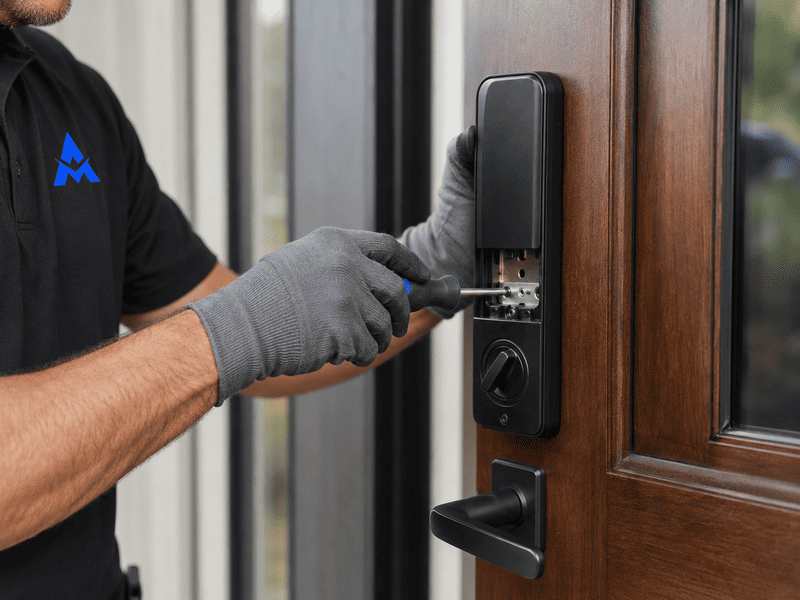
To Ease Your Move Or Redecorate Your Home Space
Follow a Few Easy Steps
Tells us your needs
Please fill up the contact form and provide us with as many details of your project as possible.
Approve Estimate
Our experts will review your project needs and create a plan that works with your schedule. You will then have to review & approve the plan via email.
Project Kick-Off
Once you have approved our solution plan, we'll send professional installers who own just the right tools & equipment in their arsenal to complete your project.
Customer Service 24/7
We’d love to hear from you. Choose the most convenient method and we’ll get back to you as soon as we can.
Contact Us
Contact Us
2707 N Rolling Rd #109, Windsor Mill, Maryland 21244
+1(410) 493-4488
VA
Any Assembly Virginia
+1(703) 596-0086
DC
Any Assembly Washington
+1(202) 684-6782
PA
Any Assembly Pennsylvania
+1(267) 209-0710