

How to Move a Home Gym Equipment Without Damaging Equipment Floors or Walls
Fully Licensed & Insured
Safety is our #1 Priority
Moving home gym equipment without damage requires planning the moving path, protecting floors and walls, disconnecting or securing parts, using proper lifting methods, and reinstalling equipment correctly on the other side. The safest approach depends on equipment size, weight, room layout, stairs, flooring type, doorway width, wall clearance, electronics, moving distance, and whether the item is a treadmill, exercise bike, weight machine, bench, or full home gym setup.
- Measure the entire moving path before lifting anything heavy or bulky.
- Protect floors, walls, stairs, and door frames with padding and covers.
- Secure treadmills, bikes, and weight machines with straps and locks.
- Avoid common home gym setup mistakes that hurt equipment performance.
- Call professionals when weight, stairs, or electronics make DIY risky.
Move the Workout Room Without Wrecking the House
Moving home gym gear looks simple until you face treadmill decks, bike frames, weight stacks, cables, handles, narrow doors, finished floors, and tight hallway turns. Suddenly, a quick relocation turns into scratched hardwood, dented drywall, loose bolts, damaged electronics, and equipment that no longer feels safe to use. Rushed moves also void warranties and shorten machine lifespan.
Professional home gym equipment moving services solve these problems with proper padding, disassembly tools, and reinstallation know-how. That means safer transport, better property protection, and a workout room that is ready to use faster.
The Moving Path Matters Before the Equipment Moves
Before touching a single machine, walk the entire route from the current gym space to the new one. Measure doorways, hallway widths, stair turns, and ceiling clearances. This planning step prevents most damage that happens on moving day, especially in condos, townhomes, and basement gyms.
Home gym equipment moving planning means checking equipment size, weight, parts, electronics, moving path, floor type, wall clearance, stairs, doorways, transport needs, and reinstallation requirements before anything is lifted.
- Measure every doorway, hallway, and stair turn along the route.
- Remove loose rugs, cords, and furniture that block the path.
- Lay down floor runners on hardwood, vinyl, and tile surfaces.
- Note tight corners that may require partial disassembly first.
- Confirm the new room fits the machine footprint and outlet needs.
You can also review this helpful fitness equipment moving reinstallation guide for extra prep tips before moving day.
Treadmills Need More Care Than Most People Expect
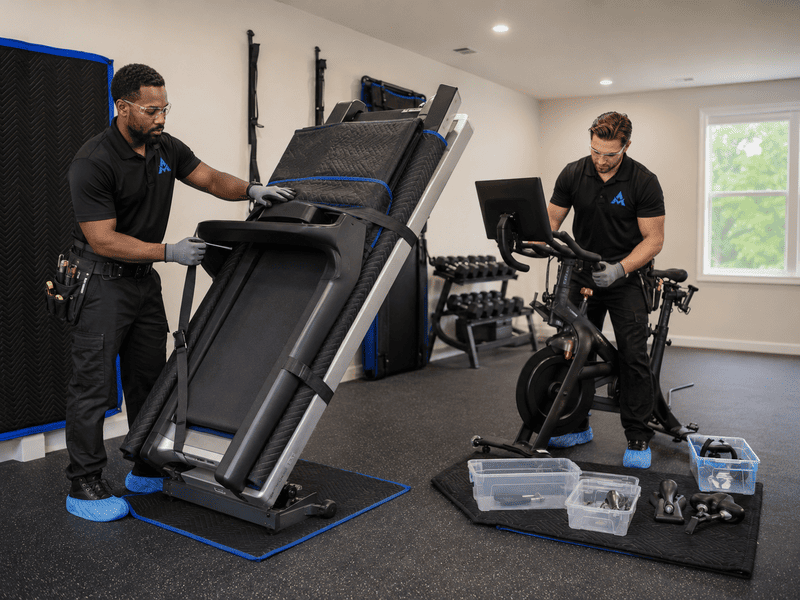
Treadmills combine heavy steel frames, sensitive electronics, and long decks that easily catch on door frames. Move one incorrectly, and you risk bending the deck, cracking the console, or scratching every floor between rooms. Always fold and lock the deck before lifting, and never drag the machine across finished surfaces.
For safer transport, use two people, a furniture dolly, and moving blankets. Apartment residents moving between floors should disconnect the power cord, secure it to the frame, and cover the console with padding. If stairs are involved, professional treadmill moving and installation help removes the risk of drops, tears, and calibration issues after the move.
| Equipment Type | Common Damage Risk | Best Protection Method |
|---|---|---|
| Treadmill | Bent deck, cracked console | Fold, lock, wrap console |
| Exercise Bike | Scratched frame, bent pedals | Remove pedals, pad frame |
| Weight Machine | Floor dents, wall scrapes | Disassemble, use dollies |
| Cable Machine | Snapped cables, lost pins | Label parts, bag hardware |
| Weight Bench | Torn upholstery | Wrap padding, strap tight |
Exercise Bikes Still Need Safe Handling and Placement
Exercise bikes feel lighter than treadmills, but their frames, pedals, and adjustment knobs bend easily under pressure. Tipping a bike sideways through a doorway often scrapes the frame paint and dings the wall at the same time. Handle them with the same care you would give a treadmill.
Remove the pedals, water bottle holder, and any loose accessories before lifting. Wrap the frame in moving blankets and strap the flywheel so it does not spin during transport. In spare bedrooms and small workout rooms, professional exercise bike moving and setup helps riders keep resistance calibration and screen electronics intact after relocation.
Weight Machines Can Damage More Than the Floor
Weight machines cause more moving damage than any other gym item because of their weight stacks, awkward shapes, and long cable runs. A single dropped plate can crack tile, dent hardwood, or punch through drywall. Full disassembly is almost always the safest choice.
- Remove all weight plates, pins, and cables before lifting the frame.
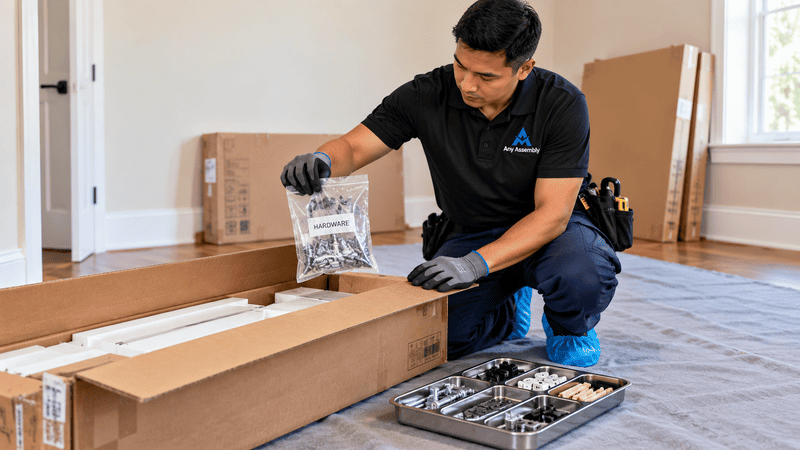
- Label every bolt, bracket, and cable in a sealed bag by section.
- Use furniture sliders under the base to protect rubber flooring.
- Never drag a loaded frame across carpet, vinyl, or hardwood floors.
- Rebuild the machine using the original torque and cable tension specs.
For garage gyms and basement gyms with heavy stacks, weight machine moving service support handles disassembly, transport, and reassembly in one visit. You can also compare approaches from professional home gym relocation services to see how full-service moves are structured.
Walls, Door Frames, and Stairs Need Protection Early
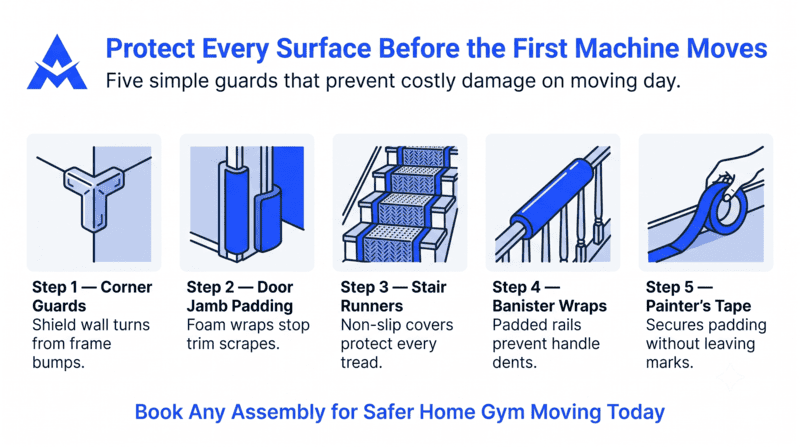
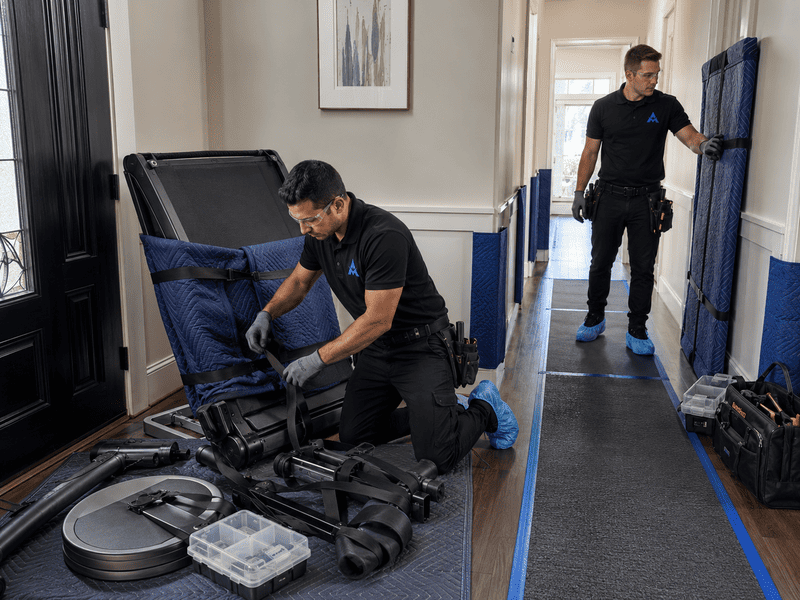
Property damage happens fastest at pinch points, so pad these areas before the first machine leaves its spot. Corner guards, door jamb protectors, and stair runners cost far less than repair bills. Understanding moving liability protection for homeowners also helps if hired movers are involved.
- Install corner guards on every wall turn along the route.
- Tape foam padding over door frames and trim edges.
- Cover stair treads with non-slip runners or thick blankets.
- Shield banisters and railings with wrapped moving pads.
- Keep painter's tape ready to secure padding as you go.
Renters in apartments and condos benefit most from this step, since move-out deductions often cover exactly these kinds of scrapes and dents.
Setup Mistakes Can Hurt Equipment Performance Later
Reinstallation matters as much as transport. A treadmill placed on uneven flooring will wobble, wear belts unevenly, and eventually fail. A weight machine reassembled with loose bolts becomes a real injury risk. Review these home gym setup mistakes to avoid before you plug anything back in.
Common Reinstallation Errors
Skipping the leveling step, forgetting to reset console calibration, and reusing worn hardware all shorten equipment lifespan. Always follow manufacturer torque specs and check that cable tension matches original settings.
Flooring and Placement Slips
Placing a treadmill directly on carpet blocks ventilation, while positioning a squat rack too close to drywall risks holes during workouts. Leave clearance for movement, mats for cushioning, and outlets within safe reach. Also check fitness product regulations in United States if you plan to sell or transfer used equipment during your move.

Moving Dates and Timing Can Change the Plan
Timing shapes everything from crew availability to weather protection. Cold garages stiffen rubber flooring, while humid basements affect electronics. Choosing the best time to move in 2026 also affects pricing and scheduling flexibility.
- Book gym movers two to three weeks before your target date.
- Avoid rainy days that soak padding and slick stair treads.
- Schedule elevator reservations early in condos and apartments.
- Plan disassembly the day before, not the morning of the move.
- Allow time for reinstallation and calibration in the new room.
Professional Help Keeps Gym Equipment and Homes Safer
DIY moves work for lightweight benches and small bikes, but heavy machines, stair routes, and electronics call for trained crews. Professionals bring dollies, straps, padding, and torque tools that most homeowners do not own. They also carry insurance that covers accidental damage.
Beyond safety, professional moving services for homeowners save hours of labor and prevent the frustration of misaligned cables or wobbly frames. For unusual items like outdoor trampolines or rebounders, specialized disassembly relocation for equipment shows how expert handling protects both gear and property from start to finish.
Schedule Home Gym Equipment Moving With Any Assembly
Any Assembly delivers safer treadmill handling, exercise bike setup, weight machine protection, floor and wall coverage, and proper reinstallation so your workout room feels ready from day one.
Our team also support related projects like home staging furniture disassembly, office furniture moving, and modular office assembly when your relocation covers more than the gym, plus creative extras like basketball hoop lighting ideas for driveway upgrades.
Ready to protect your equipment and your home?
Schedule home gym moving help today and get expert treadmill, bike, weight machine, and full workout space setup support.
FREQUENTLY ASKED QUESTIONS
Can a treadmill be moved without scratching floors?
Yes, with folded decks, furniture dollies, and floor runners underneath, treadmills move safely across hardwood, vinyl, and tile without leaving marks.
Should weight machines be taken apart before moving?
Almost always. Removing plates, cables, and frames prevents floor dents, wall scrapes, and injuries during lifting or stair navigation.
What protects walls when moving gym equipment?
Corner guards, foam door jamb protectors, and moving blankets shield drywall, trim, and paint from pivot points and accidental bumps.
Can exercise bikes be moved fully assembled?
Small upright bikes often can, but removing pedals and securing the flywheel first prevents frame scratches and pedal damage in tight doorways.
What makes basement gym equipment harder to move?
Narrow stairs, low ceilings, and tight turns make basement gyms tricky, especially for long treadmill decks and tall weight machine frames.
Can gym equipment be reinstalled after relocation?
Yes, professional crews reassemble machines using original hardware, torque specs, and calibration settings so equipment performs like new.
What usually gets damaged during DIY gym moves?
Hardwood floors, drywall corners, treadmill consoles, bike frames, and weight machine cables top the list of common DIY moving mishaps.
When should I book home gym moving help?
Book two to three weeks ahead, especially for heavy machines, staircases, elevator buildings, or moves that involve full disassembly and reinstallation.
To Ease Your Move Or Redecorate Your Home Space
Follow a Few Easy Steps
Tells us your needs
Please fill up the contact form and provide us with as many details of your project as possible.
Approve Estimate
Our experts will review your project needs and create a plan that works with your schedule. You will then have to review & approve the plan via email.
Project Kick-Off
Once you have approved our solution plan, we'll send professional installers who own just the right tools & equipment in their arsenal to complete your project.
Customer Service 24/7
We’d love to hear from you. Choose the most convenient method and we’ll get back to you as soon as we can.
Contact Us
Contact Us
2707 N Rolling Rd #109, Windsor Mill, Maryland 21244
+1(410) 493-4488
VA
Any Assembly Virginia
+1(703) 596-0086
DC
Any Assembly Washington
+1(202) 684-6782
PA
Any Assembly Pennsylvania
+1(267) 209-0710