

Professional Basketball Hoop Installation in the Northeast US
Fully Licensed & Insured
Safety is our #1 Priority
Transform Your Backyard with Expert Basketball Hoop Installation Services
Imagine the look on your children's faces when they discover a professionally installed basketball hoop waiting for them in the backyard. More than just a surprise, it's an investment in family health, entertainment, and property value that pays dividends for years to come. In the Northeast, where weather conditions can be challenging and installation standards are stringent, choosing professional basketball hoop installation isn't just convenient and it's essential.
The basketball hoop installation market has grown significantly, with the global market valued at $2.0 billion in 2024 and projected to reach $3.5 billion by 2030, exhibiting a robust 6% compound annual growth rate Future Data Stats. In the Northeast United States, this growth is driven by families seeking professional-grade installation services that can withstand harsh winters and provide year-round entertainment.
Why Choose Professional Installation?
- Professionally installed systems last 2-3 times longer than DIY installations
- Proper concrete curing prevents costly repairs
- Northeast-specific expertise for weather challenges
- ASTM safety standard compliance
- 2-year warranty on installation workmanship
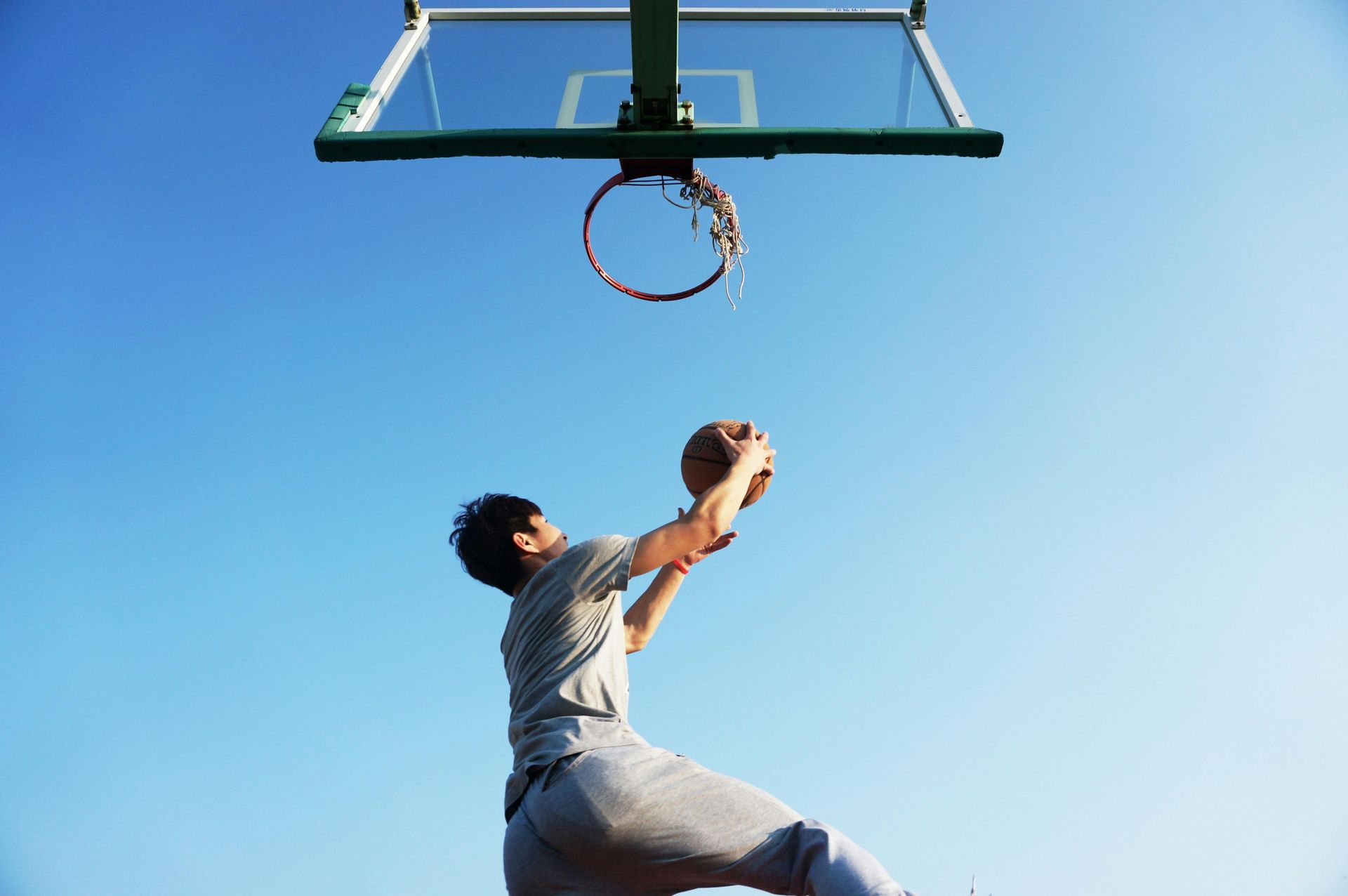
The Northeast Advantage: Why Professional Installation Matters
Living in the Northeast presents unique challenges for basketball hoop installation. From the frozen ground of Massachusetts to the clay-rich soil of Pennsylvania, each region requires specialized knowledge and equipment. Professional installers understand these local conditions and adapt their techniques accordingly, ensuring your investment stands strong against nor'easters, blizzards, and the freeze-thaw cycles that plague amateur installations.
The benefits of professional installation extend far beyond simple convenience. According to industry data, professionally installed in-ground basketball systems last 2-3 times longer than DIY installations, with proper concrete curing and alignment preventing the costly repairs that typically plague improperly installed systems GoalSetter. In the Northeast, where replacement costs average $600-$2,000, this longevity translates to significant long-term savings.
- Weather Resistant: Designed for harsh Northeast winters and coastal conditions
- Safety Certified: Compliant with ASTM F1882-15 safety standards
- Expert Installation: 25+ years of regional experience
Professional installation services in the Northeast typically range from $400 to $600 for in-ground systems, though premium installations can reach $1,000-$2,000 for complex projects
Basketballs Installers. This investment includes proper site preparation, concrete work, precise leveling, and testing, all critical elements that determine the system's performance and safety.
2025 Basketball Hoop Installation Costs in the Northeast
Understanding the true cost of basketball hoop installation helps families make informed decisions about their investment. In the Northeast, several factors influence pricing, including soil conditions, accessibility, local permit requirements, and the specific brand and model of the system being installed.
| Installation Type | Price Range | What's Included |
|---|---|---|
| Basic In-Ground | $400 - $600 | Standard excavation, concrete, basic system installation |
| Premium In-Ground | $650 - $1,200 | Enhanced features, premium brands, drainage solutions |
| Luxury Installation | $1,500 - $2,500 | Custom concrete pads, lighting, professional-grade systems |
| Portable Assembly | $150 - $300 |
For in-ground basketball hoop installation, the typical price range breaks down as follows: basic installation services cost $400-$600, intermediate projects with premium features range from $650-$1,200, and luxury installations with custom concrete pads or specialized drainage run $1,500-$2,500. These prices reflect the complexity of working with Northeast terrain and weather conditions, where rocky soil, limited access, and seasonal constraints require specialized equipment and expertise.
Cost Factors to Consider
- Soil Conditions: Rocky or clay soil requires specialized equipment (+$100-$300)
- Accessibility: Limited access areas may require additional labor (+$150-$400)
- Permits: Local building permits typically cost $50-$200
- System Type: Premium brands (Goalrilla, Goalsetter) add $200-$800 to total cost
- Seasonal Timing: Off-season installations may offer 10-15% discounts
Portable basketball assembly services, while less expensive upfront, often prove more costly over time. Initial assembly typically costs $150-$300, but frequent repairs, stability issues, and safety concerns lead many families to upgrade to in-ground systems within two years. The hidden costs of portable systems include replacement parts, seasonal setup and storage, and the inevitable upgrade to a more permanent solution.
"When comparing DIY versus professional installation costs, the numbers reveal a clear advantage for professional services. The average DIY attempt takes 8-12 hours, requires specialized tools ($200-$400 in equipment), and often results in amateur mistakes that require professional correction at additional cost."
Safety Standards and Regulations: The ASTM Difference
Safety should be the primary concern for any family considering basketball hoop installation, particularly in the Northeast where weather conditions can create additional hazards. The American Society for Testing and Materials (ASTM) established ASTM F1882-15 as the standard specification for residential basketball systems, covering manufacture, assembly, recommended maintenance, and use of complete residential basketball systems ANSI Blog.
ASTM Safety Requirements
- Concrete foundations below frost line (36-48" deep)
- Proper drainage to prevent ice damage
- Wind load calculations for coastal areas
- Impact resistance testing
- Structural integrity verification
Professional Installer Certification
- ASTM F1882-15 certified training
- Local building code knowledge
- Liability insurance coverage
- Manufacturer-specific certification
- Continuing education requirements
Professional installers certified in ASTM standards understand these specifications thoroughly. They know that concrete foundations must extend below the frost line to prevent heaving, typically 36-48 inches deep in most Northeast regions. They ensure proper drainage around the installation site, reducing the risk of ice damage and soil erosion that can compromise system stability.
The ASTM standard specifies that installations must account for wind loads, impact resistance, and proper spacing from structures. Northeast installers particularly emphasize wind resistance, as coastal storms and nor'easters can generate significant forces on basketball systems. Professional installation includes proper concrete reinforcement, strategic placement for optimal drainage, and consideration of prevailing wind directions ASTM International.
In-Ground vs. Portable Basketball Hoops: Why Northeast Families Choose Permanent
The decision between in-ground and portable basketball systems affects not only immediate costs but long-term enjoyment, safety, and property value. In the Northeast, where weather extremes test the durability of outdoor installations, in-ground systems offer significant advantages that justify their higher initial investment.
| Feature | In-Ground System | Portable System |
|---|---|---|
| Stability | ✔ Excellent - Won't tip over | ✖ Poor - Tipping hazard |
| Lifespan | ✔ 15-25 years | ✖ 3-7 years |
| Weather Resistance | ✔ Excellent for Northeast | ✖ Poor - Must be stored |
| Property Value | ✔ Adds 1-3% value | ✖ No value added |
| Playing Experience | ✔ Professional-level | ✖ Recreational only |
| Initial Cost | $800 - $2,500+ | $150 - $500 |
| Maintenance | Minimal annual care | Frequent adjustments needed |
In-ground basketball hoops provide unmatched stability and safety, permanently anchored in concrete foundations that resist wind, weather, and intense play Goalrilla. Unlike portable systems that can tip over during competitive games or stormy weather, in-ground systems remain secure and level, providing consistent playing conditions year-round. This stability is particularly valuable in Northeast states where winter storms and spring gales regularly test outdoor installations.
- Safety: In-ground systems eliminate tipping hazards and provide stable platforms for aggressive play and dunking attempts.
- Longevity: Professional installation ensures 15-25 years of reliable performance versus 3-7 years for portable systems.
- Property Value: Well-maintained in-ground systems can increase home value by 1-3%, often exceeding installation costs.
The playing experience difference is equally significant. In-ground systems provide professional-level rebound characteristics, consistent height adjustment, and the stability necessary for competitive play. They accommodate players of all skill levels, from young children learning basic skills to experienced players practicing game-level moves. The stable foundation allows for proper technique development and injury prevention through consistent playing conditions.
Understanding Northeast Soil and Climate Challenges
The Northeast's diverse geography presents unique installation challenges that demand professional expertise. From the rocky glacial till of New England to the clay-rich soils of Pennsylvania, each region requires specialized approaches to achieve proper installation. Professional installers familiar with local conditions can accurately assess soil composition, drainage patterns, and potential weather impacts that affect long-term system performance.
- Maryland: Mixed clay and loam soils, seasonal freeze-thaw cycles
- Washington DC: Urban soil fill, underground infrastructure
- Delaware: Sandy soil, coastal moisture exposure
- Northern Virginia: Dense clay, sloped terrain, weather variability
- New York: Varied terrain, urban constraints
- Pennsylvania: Clay-rich soil, Appalachian rock
The freeze-thaw cycle poses particular challenges for Northeast installations. As temperatures fluctuate around freezing, soil expands and contracts, creating forces that can crack insufficient foundations or cause upheaval in improperly anchored systems. Professional installers address this by extending foundations below the frost line, typically 36-48 inches depending on local conditions, and incorporating proper drainage to prevent water accumulation and ice formation.
Northeast Weather Considerations
- Frost Line Depth: 36-48 inches required in most Northeast regions
- Coastal Salt Exposure: Marine-grade hardware essential within 5 miles of coast
- Wind Loads: Nor'easter preparation with reinforced concrete
- Snow Accumulation: Drainage systems prevent ice damage
- Temperature Extremes: Weather-resistant finishes for -20°F to 95°F range
Coastal regions face additional challenges from salt air and wind exposure that can accelerate corrosion and structural degradation. Professional installation includes the use of marine-grade hardware, protective coatings, and strategic placement to minimize exposure to corrosive conditions. Inland areas with heavier clay soils require different approaches, including larger foundation sizes and specialized concrete mixes to ensure proper curing and long-term stability.
The Professional Installation Process: What to Expect
Understanding the professional installation process helps Northeast families prepare for their basketball hoop project and ensures smooth project completion. Professional installation follows a systematic approach that addresses site preparation, foundation work, system assembly, and final testing to deliver optimal performance and safety.
Step 1: Site Assessment
Professional evaluation of soil conditions, drainage patterns, accessibility, and proximity to structures. In the Northeast, this assessment particularly focuses on:
- Identifying buried utilities
- Evaluating frost line depth
- Assessing seasonal weather impacts
- Determining optimal placement
Step 2: Excavation & Foundation
Using specialized equipment to dig precise holes extending below frost line (36-48 inches deep). Foundation includes:
- 4-6 bags of concrete mix
- Steel reinforcement rebar
- Proper drainage installation
- Anchor system placement
Step 3: Concrete Curing
Requires 24-48 hours under normal conditions. Northeast weather considerations:
- Temperature monitoring (50°F minimum)
- Weather forecast evaluation
- Temporary protection if needed
- Optimal curing time scheduling
Step 4: System Installation
Precise alignment and assembly including:
- Perfect plumb alignment
- Regulation 10-foot rim height
- Backboard positioning
- Hardware tightening
- Safety inspection & testing
Quality Assurance Checklist
Structural Verification:
- Foundation depth below frost line
- Concrete strength testing
- Anchor system security
- Drainage functionality
Performance Testing:
- Height adjustment mechanism
- Rim level and alignment
- Backboard stability
- Safety clearances verified
Benefits That Extend Beyond the Court
Professional basketball hoop installation delivers benefits that extend far beyond outdoor entertainment. The investment creates a family activity center that encourages physical activity, develops athletic skills, and provides a social gathering point for neighborhood friends and family members. In an era of increasing screen time and sedentary lifestyles, a backyard basketball court offers healthy, engaging outdoor activity for all ages.
Health Benefits
- Cardiovascular fitness improvement
- Hand-eye coordination development
- Muscle strength building
- Childhood obesity prevention
- Stress reduction and mental health
Social Benefits
- Family bonding opportunities
- Neighborhood community building
- Teamwork skills development
- Sportsmanship education
- Multi-generational activities
Property Value
- 1-3% home value increase
- Enhanced curb appeal
- Attractive to families with children
- Functional outdoor space
- Long-term investment return
The health benefits are substantial and well-documented. Regular basketball play improves cardiovascular health, builds coordination, develops muscle strength, and enhances overall fitness. For children, the sport develops hand-eye coordination, timing, and spatial awareness while providing essential physical activity that combats childhood obesity and promotes healthy development Basketball Installers.
"Basketball provides a shared activity that spans generations, creating opportunities for parents to bond with children through cooperative play and friendly competition. The sport teaches valuable life skills including teamwork, perseverance, sportsmanship, and goal-setting that transfer to academic and professional success."
The Investment Return: Long-Term Value Analysis
Analyzing the return on investment for professional basketball installation helps families understand the economic benefits of their outdoor recreation investment. When compared to alternative entertainment options and considering long-term property value impacts, the economic case for professional installation becomes compelling.
20-Year Cost Analysis
| Factor | In-Ground System | Alternative Entertainment |
|---|---|---|
| Initial Investment | $800 - $2,000 | N/A |
| Annual Maintenance | $50 - $100 | N/A |
| Lifespan Usage | 20 years (1000+ uses) | Varies |
| Cost Per Use | ~$2 - $4 | $15 - $50+ per activity |
| Property Value Increase | $3,000 - $9,000 | $0 |
| Health Benefits Value | Significant (reduced healthcare) | Varies |
Entertainment value analysis considers the cost per use over the system's lifespan. A professionally installed in-ground system costing $800 amortized over 20 years of regular use represents approximately $40 annually, significantly less than family entertainment alternatives like professional sports events ($200-$500 per outing), theme parks ($300-$600 per visit), or commercial entertainment centers ($50-$100 per session). The convenience of home access multiplies the value compared to off-site entertainment options.
Property Value Impact
Typical increase of 1-3% in home value represents $3,000-$9,000 for average Northeast homes ($300,000-$450,000), often exceeding initial installation costs.
Real estate professionals report well-maintained in-ground systems as attractive selling features, particularly for families with children.
Long-Term Savings
Reduced entertainment costs save families $1,000-$3,000 annually in external activities, totaling $20,000-$60,000 over the system's lifespan.
Additional health benefits reduce healthcare costs through improved fitness and reduced obesity risk.
Download the Basketball Hoop Installation Manual
Installing a basketball hoop the right way makes a big difference in safety, stability, and long-term performance. Our Basketball Hoop Installation Manual walks you through every critical step, from site preparation and leveling to anchoring and rim alignment. This guide is designed for homeowners, schools, and property managers who want to understand the process before starting or hiring a professional.
Inside the manual, you’ll learn what tools are required, how soil and climate affect installation, common mistakes that lead to wobbling or early failure, and when professional installation is the smarter and safer option. Whether you plan to install it yourself or want to make an informed decision before booking a service, this guide gives you clarity and confidence.
Download the free PDF to get a step-by-step breakdown, expert tips, and safety recommendations used by professional installers. If you decide you’d rather skip the heavy lifting, our team is ready to handle the installation correctly from start to finish.
Frequently Asked Questions About Basketball Hoop Installation in the Northeast US
How much does basketball hoop installation cost near me?
Professional in-ground installation in the Northeast ranges from $400-$600 for standard systems. Factors affecting local pricing include soil conditions (rocky vs. clay), accessibility (backyard vs. driveway), local permit requirements ($50-$200), and seasonal demand variations. Premium installations with enhanced features can reach $1,000-$2,000.
What is the best basketball hoop for Northeast weather?
Systems from Goalrilla, Goalsetter, and Spalding specifically design products for cold weather performance, featuring reinforced structures, weather-resistant powder-coated finishes, stainless steel hardware, and extended warranties (5-10 years) that account for harsh climate conditions. Look for systems rated for temperature extremes from -20°F to 95°F.
How long does professional basketball hoop installation take?
The complete process requires two visits totaling 4-7 hours of work: Visit 1 includes site preparation, excavation, and concrete placement (2-4 hours). A 24-48 hour curing period follows for concrete to achieve sufficient strength. Visit 2 includes system installation, alignment, and testing (2-3 hours). Weather conditions, especially during Northeast winters, can extend this timeline. Professional installers coordinate scheduling to optimize weather windows while ensuring proper concrete curing time. Total project completion typically takes 3-5 days from initial site assessment to final testing.
When is the best time to install a basketball hoop in the Northeast?
Late spring through early fall provides optimal installation conditions. July and August offer the most reliable weather for concrete curing and system installation. Spring installations should be scheduled after ground thaw (typically April-May), while fall projects should be completed before first frost (usually by mid-October in northern regions, mid-November in southern areas).
Do I need permits for basketball hoop installation?
Permit requirements vary by municipality throughout the Northeast. Major metropolitan areas (Boston, New York City, Philadelphia) typically require permits for in-ground installations, costing $50-$200. Rural areas may not require permits. Professional installers understand local requirements and can obtain necessary permits as part of installation services.
How do I maintain my basketball hoop through Northeast winters?
Winter maintenance includes lowering the rim to minimum height (6-7 feet), securing all adjustment mechanisms, applying silicone-based lubricants to moving parts, removing accumulated snow and ice promptly, and inspecting hardware for rust or damage. Professional installers often provide winterization services ($75-$150) as part of maintenance packages.
What makes professional installation worth the cost compared to DIY?
Professional installation ensures proper foundation depth below frost line (36-48 inches in Northeast), correct concrete mixing ratios and placement techniques, precise alignment and leveling (within 1/8 inch tolerance), compliance with local building codes and safety standards, warranty protection on both materials and labor (typically 2-5 years), and access to specialized equipment (concrete mixer, post hole digger, laser level). The typical cost difference of $200-$400 compared to DIY pays for itself through extended system life (15-25 years vs. 5-10 years for improper installation), prevented repairs (foundation issues cost $800-$2,000 to correct), and optimized performance. DIY attempts often result in crooked installations, insufficient foundation depth, improper drainage, and voided manufacturer warranties.
Can existing basketball hoops be relocated in the Northeast?
Yes, professional removal and relocation services are available for existing in-ground systems. The process involves careful excavation of the existing anchor system (preserving the pole and backboard assembly), installing a new foundation at the desired location (following same standards as new installation), and reinstalling the system with proper alignment and testing. Relocation costs typically equal 60-80% of new installation costs ($320-$480 for standard systems) due to foundation requirements, specialized removal techniques, and potential repair of existing system damage. Relocation is most practical for systems less than 10 years old in good condition. Older systems may be better replaced with new equipment. Moving companies often offer basketball hoop relocation as part of home moving services in the Northeast.
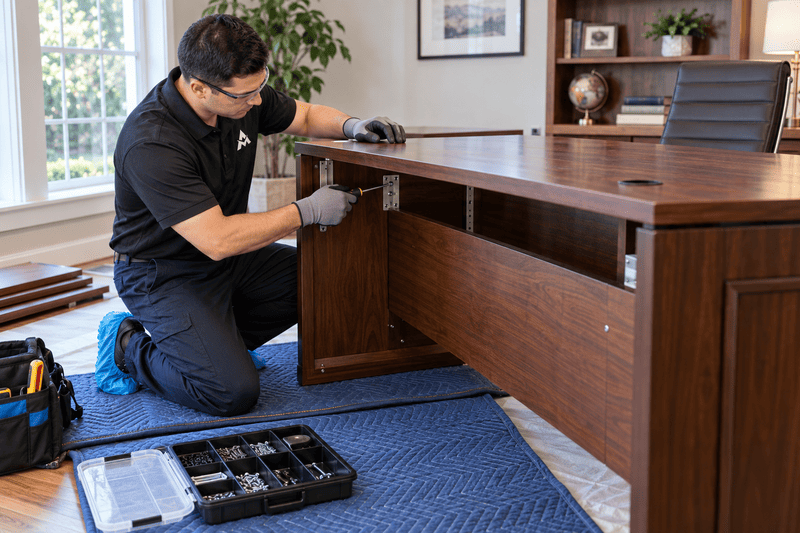
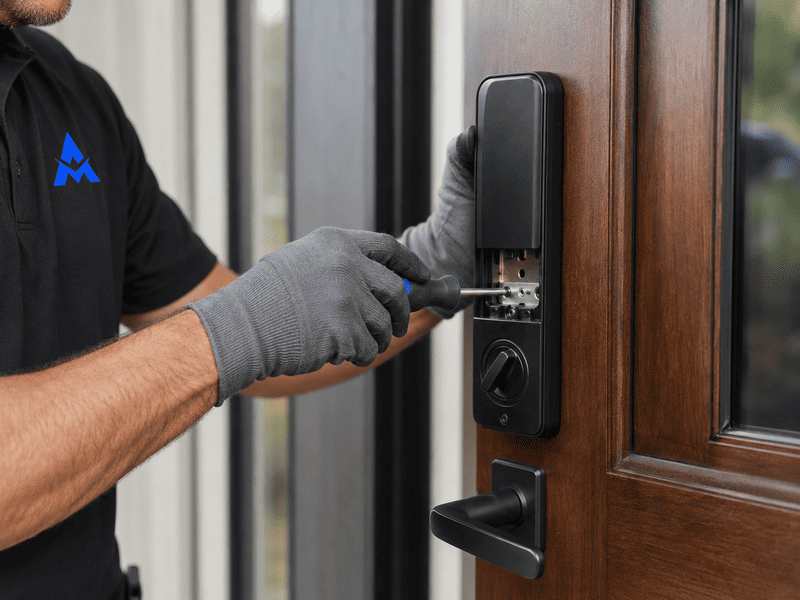
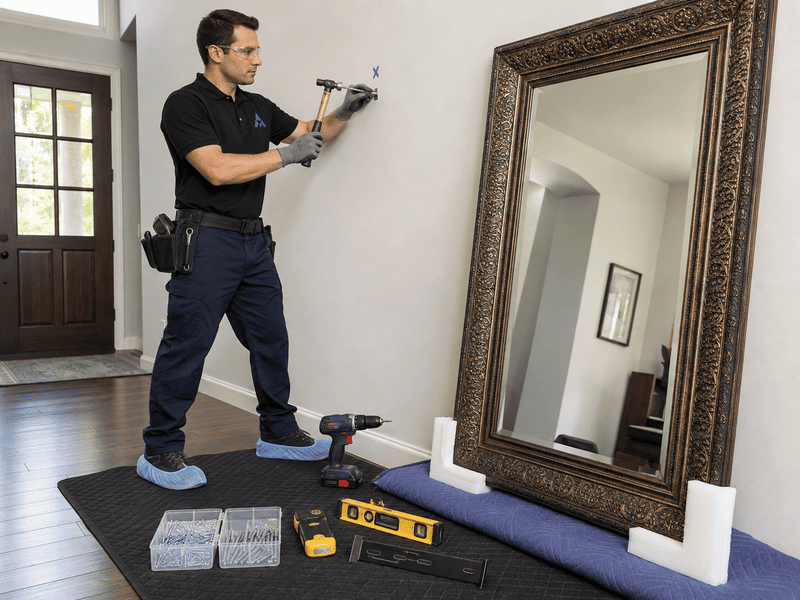
To Ease Your Move Or Redecorate Your Home Space
Follow a Few Easy Steps
Tells us your needs
Please fill up the contact form and provide us with as many details of your project as possible.
Approve Estimate
Our experts will review your project needs and create a plan that works with your schedule. You will then have to review & approve the plan via email.
Project Kick-Off
Once you have approved our solution plan, we'll send professional installers who own just the right tools & equipment in their arsenal to complete your project.
Customer Service 24/7
We’d love to hear from you. Choose the most convenient method and we’ll get back to you as soon as we can.
Contact Us
Contact Us
2707 N Rolling Rd #109, Windsor Mill, Maryland 21244
+1(410) 493-4488
VA
Any Assembly Virginia
+1(703) 596-0086
DC
Any Assembly Washington
+1(202) 684-6782
PA
Any Assembly Pennsylvania
+1(267) 209-0710