

Indoor Signage Installation for Your Business Needs
Fully Licensed & Insured
Safety is our #1 Priority

Effective indoor signage is one of the most powerful ways to strengthen brand identity, guide visitors, and create a polished, professional environment. High-quality signs help customers navigate your space with confidence, while poorly installed signage can make even a well-designed facility appear disorganized. Since signage installation often requires technical skill and an understanding of materials, selecting the right style and mounting approach is essential for long-term results.
Below is a comprehensive look at the most common indoor signage material options, how to mount them safely, and what to consider when choosing the best solution for your business.
Material Options
When selecting materials for your indoor signage, your final choice will largely depend on aesthetic goals, durability needs, and where the sign will be placed. Here are the most widely used signage materials and what makes each one effective.
Corrugated Plastic
Corrugated plastic, often known by its brand name Correx, features a smooth exterior over a ribbed core. This lightweight material is affordable and ideal for temporary or short-term signage. It is often used for event directions, instructional displays, or seasonal messages. Although it is commonly seen in outdoor temporary signs such as real estate listings, it can serve indoor purposes when cost efficiency is a priority.
However, corrugated plastic is not designed for long-term use. Over time, it becomes brittle and loses structural integrity. For businesses seeking durable and lasting signage, a more robust material is recommended.
PVC (Foamex)
PVC signage, also referred to as Foamex, is a tough yet lightweight material suitable for many indoor environments. Despite the name "foam," PVC sheets feel rigid and solid. They offer excellent print quality, which makes them a popular choice for branded interior wall panels, promotional messaging, and directional signage.
PVC comes in various thicknesses, allowing you to match the material to your specific installation needs. Since it is lightweight, it is easy to mount without damaging surfaces. Although it is weather-resistant, thin PVC may warp if exposed to extreme temperatures, so indoor use is preferred for longevity.
Acrylic and Plexiglas
Acrylic and Plexiglas remain top choices for modern business signage thanks to their sleek, translucent appearance. Often used in lobbies, office reception areas, and conference rooms, these materials showcase brand logos and company names without overwhelming the décor.
They are available in clear, frosted, and tinted options, enhancing design versatility. While acrylic signs offer a high-end look, they do require regular cleaning and careful handling because the surface can scratch more easily than other signage types. With proper maintenance, acrylic signage adds sophistication and visual impact to any business interior.
Indoor Signage Installation
After choosing the right material, the next step is proper mounting. Secure installation is crucial to prevent damage, protect walls, and ensure your signage remains safely in place. Here are the most common mounting methods used in indoor settings.
Foam Tape
Double-sided foam tape is a simple mounting solution that forms a direct bond between the sign and the wall surface. Before applying, make sure the surface is clean, smooth, and dry to help the adhesive stick properly.
Although foam tape is convenient, keep in mind it may leave residue behind when removed. It is best used for lightweight signage or temporary displays.
Screw Mount
Screws provide one of the most durable and reliable mounting options. Many signs come pre-drilled with holes designed for screw installation. To complete the setup, you will need the appropriate screws based on the sign thickness and the wall material.
Screw mounting is the preferred method for heavier signage such as acrylic panels, PVC sheets, and permanent brand installations. When done correctly, screw mounts offer long-lasting stability and a clean, professional appearance.
Magnetic Tape
Magnetic tape is ideal for signage that needs to be repositioned frequently. Businesses such as retail stores, warehouses, or training facilities often use magnetic mounts because the sign can be moved without tools. Simply apply the magnetic strips to the wall and the sign itself, and you can relocate the display as needed. This solution works best on metal surfaces or areas where flexibility is essential.
Choosing the Right Signage for Your Business
By understanding the pros and cons of each signage material and mounting method, you can better determine what aligns with your goals. Whether you prioritize durability, aesthetics, or cost-effectiveness, the right indoor signage can elevate your brand presence and improve your customer experience.
For more installation tips and expert advice, visit our blog. If you need assistance with professional signage installation or want to explore additional services, feel free to contact us for support.
FREQUENTLY ASKED QUESTIONS
How do I choose the best material for indoor business signage?
Select your material based on durability needs, design style, and where the sign will be displayed. PVC is great for versatility, while acrylic provides a premium look for lobbies and offices.
What is the safest way to mount indoor signage without damaging walls?
Screw mounts offer the most stability, but foam tape works well for light signage if you need a non-invasive option. Always match the mounting method to the sign’s weight.
Can magnetic tape hold large indoor signs securely?
Magnetic tape is better suited for lightweight signs or displays that need frequent repositioning. For heavy acrylic or PVC signage, screws are a safer choice.
How often should indoor signage be cleaned or maintained?
Acrylic and Plexiglas require regular cleaning to avoid scratches. PVC and corrugated plastic need less upkeep but should still be wiped down periodically to maintain clarity and visibility.
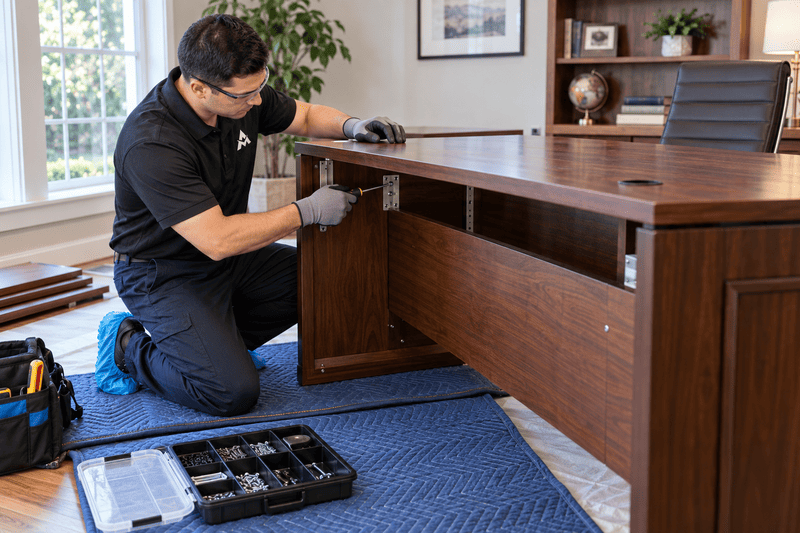
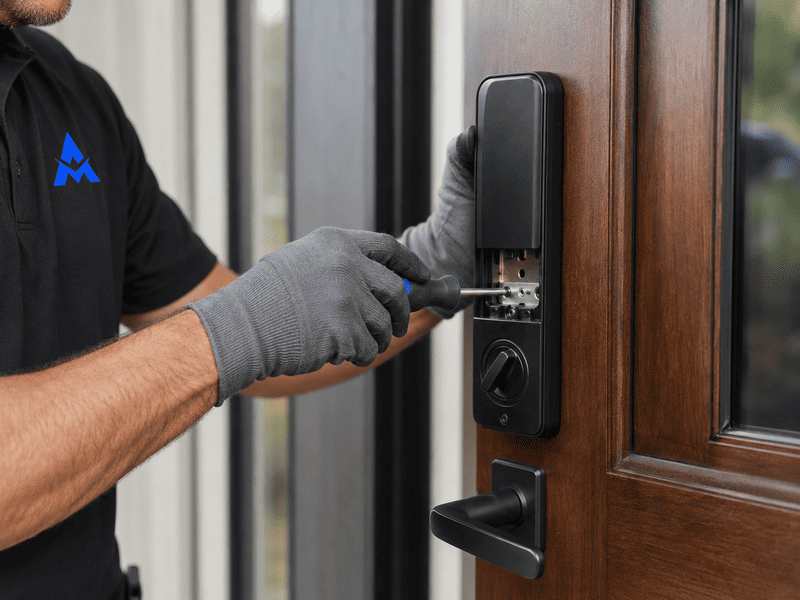
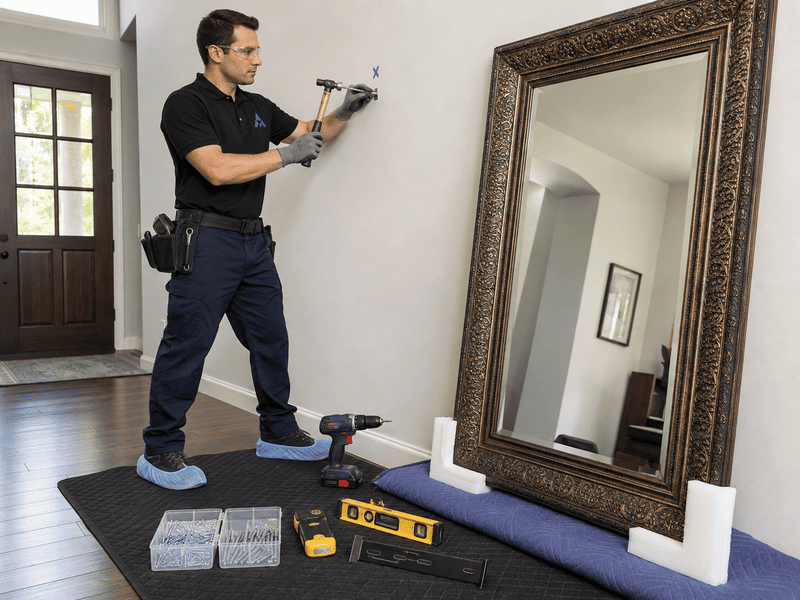
To Ease Your Move Or Redecorate Your Home Space
Follow a Few Easy Steps
Tells us your needs
Please fill up the contact form and provide us with as many details of your project as possible.
Approve Estimate
Our experts will review your project needs and create a plan that works with your schedule. You will then have to review & approve the plan via email.
Project Kick-Off
Once you have approved our solution plan, we'll send professional installers who own just the right tools & equipment in their arsenal to complete your project.
Customer Service 24/7
We’d love to hear from you. Choose the most convenient method and we’ll get back to you as soon as we can.
Contact Us
Contact Us
2707 N Rolling Rd #109, Windsor Mill, Maryland 21244
+1(410) 493-4488
VA
Any Assembly Virginia
+1(703) 596-0086
DC
Any Assembly Washington
+1(202) 684-6782
PA
Any Assembly Pennsylvania
+1(267) 209-0710