

Proper Home Gym Assembly and Maintenance
Fully Licensed & Insured
Safety is our #1 Priority
Health is one of the most valuable foundations of a fulfilling life. While balanced meals and sufficient daily rest contribute to overall wellness, consistent physical activity plays an equally important role. For many individuals, however, maintaining a regular workout schedule becomes difficult due to long commutes, unpredictable work hours, and family demands. Busy lifestyles can make trips to commercial gyms inconvenient or unrealistic.
This is where the idea of creating a personal workout space at home becomes appealing. A dedicated fitness area allows you to exercise on your own time, without waiting for machines or navigating crowded facilities. The process can be challenging, but with expert support through home gym assembly, you can set up a safe, efficient, and long-lasting fitness environment.
Below are practical tips to help you prepare, install, and maintain your home fitness equipment properly.
1. Preparations
As enjoyable as DIY projects can be, assembling heavy fitness machines without guidance can lead to unnecessary mistakes or safety hazards. Consulting a qualified professional or technician is always recommended, especially for complex machines with multiple moving parts.
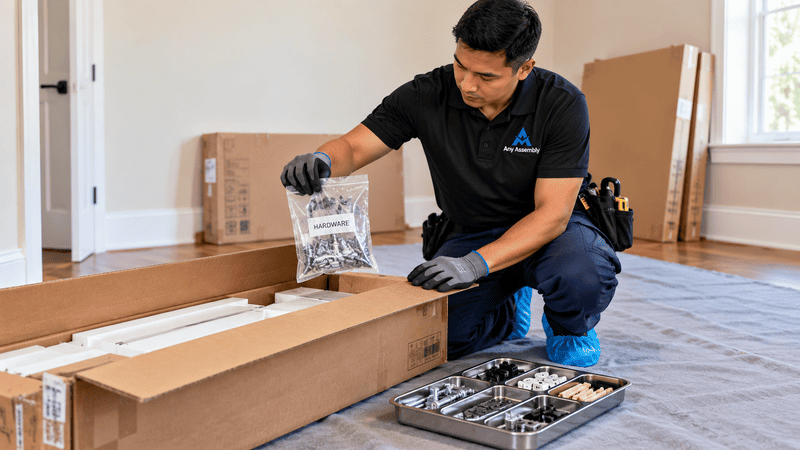
Before you begin, carefully review all safety instructions provided by the manufacturer. This includes warnings about weight limits, correct assembly order, and potential hazards. Prepare a clean, open area with enough space to maneuver components easily. Place a protective floor covering, particularly for wooden or tiled surfaces, to avoid scratches.
Make sure all tools for the assembly are ready. Keep components organized and inspect all fasteners including bolts, screws, washers, and nuts. Everything should be tightened securely, but you must still leave room for minor adjustments as the installation progresses.
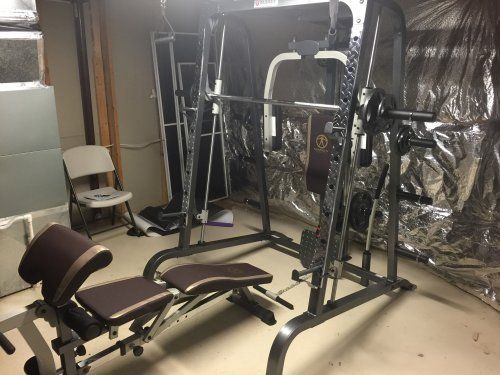
When arranging cardio machines, leave at least three feet of clearance on each side. For multi-station systems, weight machines, or full home gyms, maintain four to six feet of open space for safety and accessibility. If your equipment uses pulleys, rods, or cables, apply a small amount of recommended lubricant to ensure smooth operation.
To ensure your layout is designed correctly, many users also consult additional setup guides such as gym equipment and professional installation articles for clarity.
2. Installation
Installation varies significantly depending on the type of equipment chosen. Popular options like treadmills, ellipticals, cable machines, rowing machines, and adjustable benches each come with their own assembly requirements.
Most home fitness machines are heavy, and some components weigh between 100 to 150 pounds. You should have two or three capable helpers or rely on an expert for heavier lifting and precise alignment.
Never skip steps or jump ahead in the manual. Incorrectly aligned parts, missing bolts, or improperly tightened components can affect machine performance and stability. A minor assembly error can cause long-term damage or increase the risk of injury.
Because of these concerns, many households choose to work with trained technicians or assembly specialists. In addition to the primary setup, these professionals ensure that machines are level, properly anchored, and ready for immediate use. Homeowners who require additional help often turn to specialized providers such as expert home gym installation teams, professional fitness equipment relocation services, and specialized equipment disassembly providers, which offer solutions for setup, transport, and even equipment reconfiguration.
3. Maintenance
Maintenance is the most important factor in extending the lifespan of your home workout machines. A well-maintained fitness setup not only prevents costly repairs but also reduces the likelihood of injuries caused by worn parts.
After every workout, wipe down handles, seats, bars, and touchpoints using an approved cleaning solution. Sweat buildup can cause corrosion and degrade material over time. Regular cleaning also supports hygiene, which is essential when multiple family members use the equipment.
For machines that see heavy or daily use, schedule periodic checkups. Inspect all belts for wear, verify cable alignment, and check tension on pulleys or resistance systems. Look for loose bolts or unstable components. Evaluate leveling and structural support to make sure everything stays balanced during operation.
Refer to your owner’s manual for a recommended maintenance schedule. Some machines require monthly lubrication, while others may need component replacements at specific intervals.
The Ideal Home Gym Assembly and Maintenance
Building a home gym is an investment into your personal health and long-term wellness. The process can be complicated, especially for users unfamiliar with mechanical assembly. Missing a single step or misunderstanding an instruction can compromise the stability and safety of your equipment.
When designed and assembled correctly, a home gym becomes one of the best assets for you and your family’s overall well-being. If you need dependable guidance, professional help, or full technician support, reach out to Any Assembly. Their team specializes in home gym assembly and ongoing care, ensuring that your equipment remains safe, durable, and ready for every workout. They can also assist with advanced machine setup, specialty repairs, or additional services tailored to your fitness needs.
FREQUENTLY ASKED QUESTIONS
How do I know if my home gym equipment is installed correctly?
Your equipment should feel stable, level, and smooth during use. If you notice wobbling, unusual noises, or alignment issues, it may need adjustments or professional inspection.
What maintenance does a treadmill or elliptical need?
Most cardio machines require cleaning, belt lubrication, and bolt tightening. Regular inspections help prevent breakdowns and ensure long-term performance.
Can I move my home gym equipment without damaging it?
Heavy machines require proper lifting techniques and safe transportation methods. Consider contacting a fitness equipment moving service to avoid damage or injury.
Should I hire a professional to assemble my home gym?
Professionals ensure machines are correctly aligned, fully tightened, and safe to use. This reduces risk and helps protect your investment, especially for large or complex systems.
To Ease Your Move Or Redecorate Your Home Space
Follow a Few Easy Steps
Tells us your needs
Please fill up the contact form and provide us with as many details of your project as possible.
Approve Estimate
Our experts will review your project needs and create a plan that works with your schedule. You will then have to review & approve the plan via email.
Project Kick-Off
Once you have approved our solution plan, we'll send professional installers who own just the right tools & equipment in their arsenal to complete your project.
Customer Service 24/7
We’d love to hear from you. Choose the most convenient method and we’ll get back to you as soon as we can.
Contact Us
Contact Us
2707 N Rolling Rd #109, Windsor Mill, Maryland 21244
+1(410) 493-4488
VA
Any Assembly Virginia
+1(703) 596-0086
DC
Any Assembly Washington
+1(202) 684-6782
PA
Any Assembly Pennsylvania
+1(267) 209-0710